
Why waste isn’t just a sustainability issue – it’s a margin killer

The root cause is always the same
Over-ordering, duplicate orders, and end-of-job writeoffs are all symptoms of the same underlying problem: no clear picture of what's already on hand.
When material requests come in through text messages, deliveries get tracked informally, and nobody's sure which spreadsheet is current, ordering decisions default to gut feel and safety margins. The gut feel is usually right enough to keep the job moving. It's almost never precise enough to prevent waste.
Field teams are solving problems as they happen. Office staff are managing bids, budgets, and supplier calls. In the middle of that, nobody has the time or the visibility to cross-reference what's on site before placing the next order. So they order more. Sometimes they're right to. Often they're not.
That's not a people failure. It's a process failure. And it's fixable.
What control actually looks like
The four things that make the most consistent difference on real projects are straightforward.
One standardized ordering method. When everyone uses the same process — the same platform, the same format, the same approval chain — you eliminate the duplicate requests that happen when field and office are working in parallel without visibility into each other's actions.
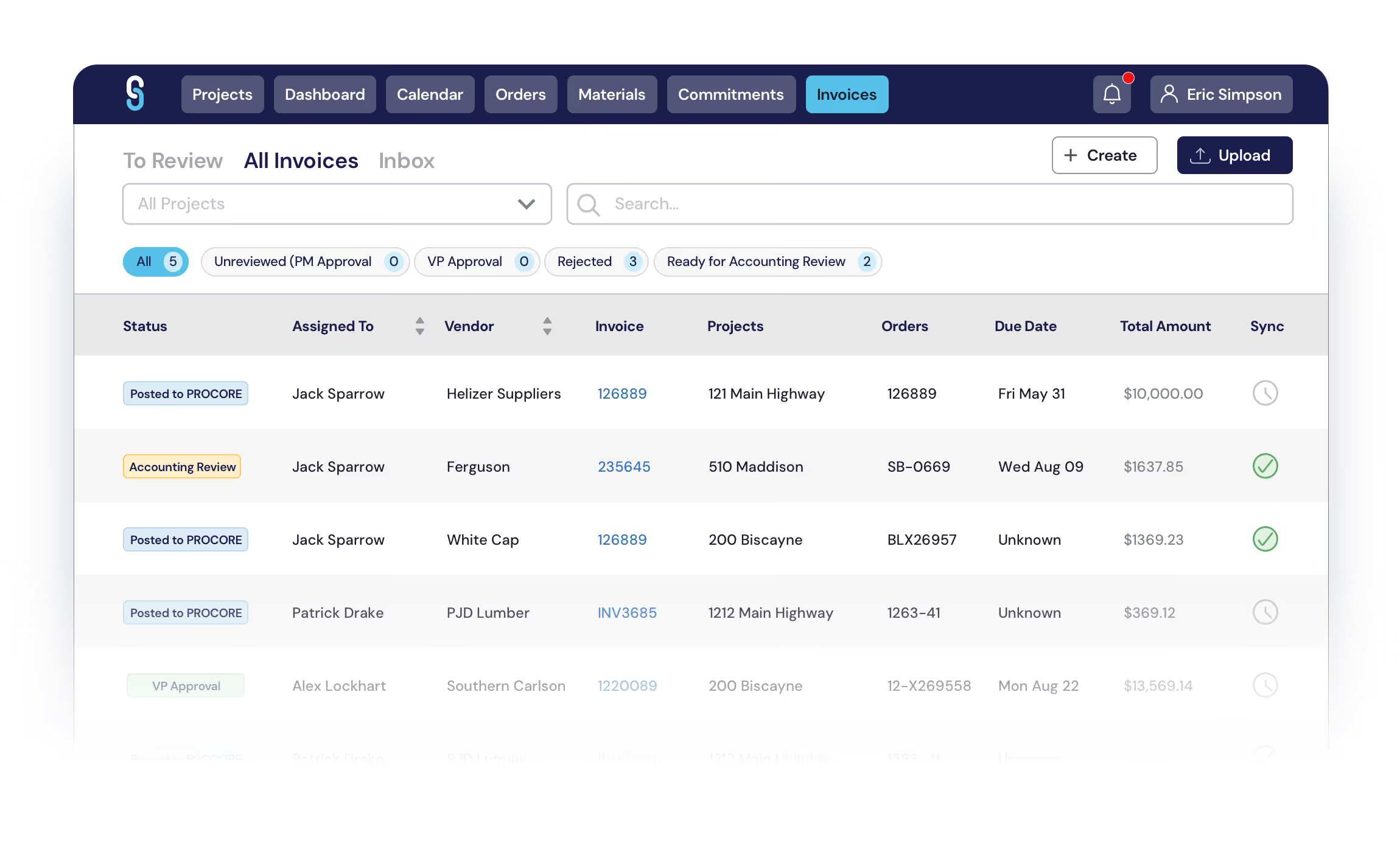
A shared view between field and office. Duplication happens when teams can't see what's already been ordered or confirmed. When the field can see the status of their requests in real time and the office can see every open order across all active projects, the over-ordering that comes from uncertainty drops sharply.
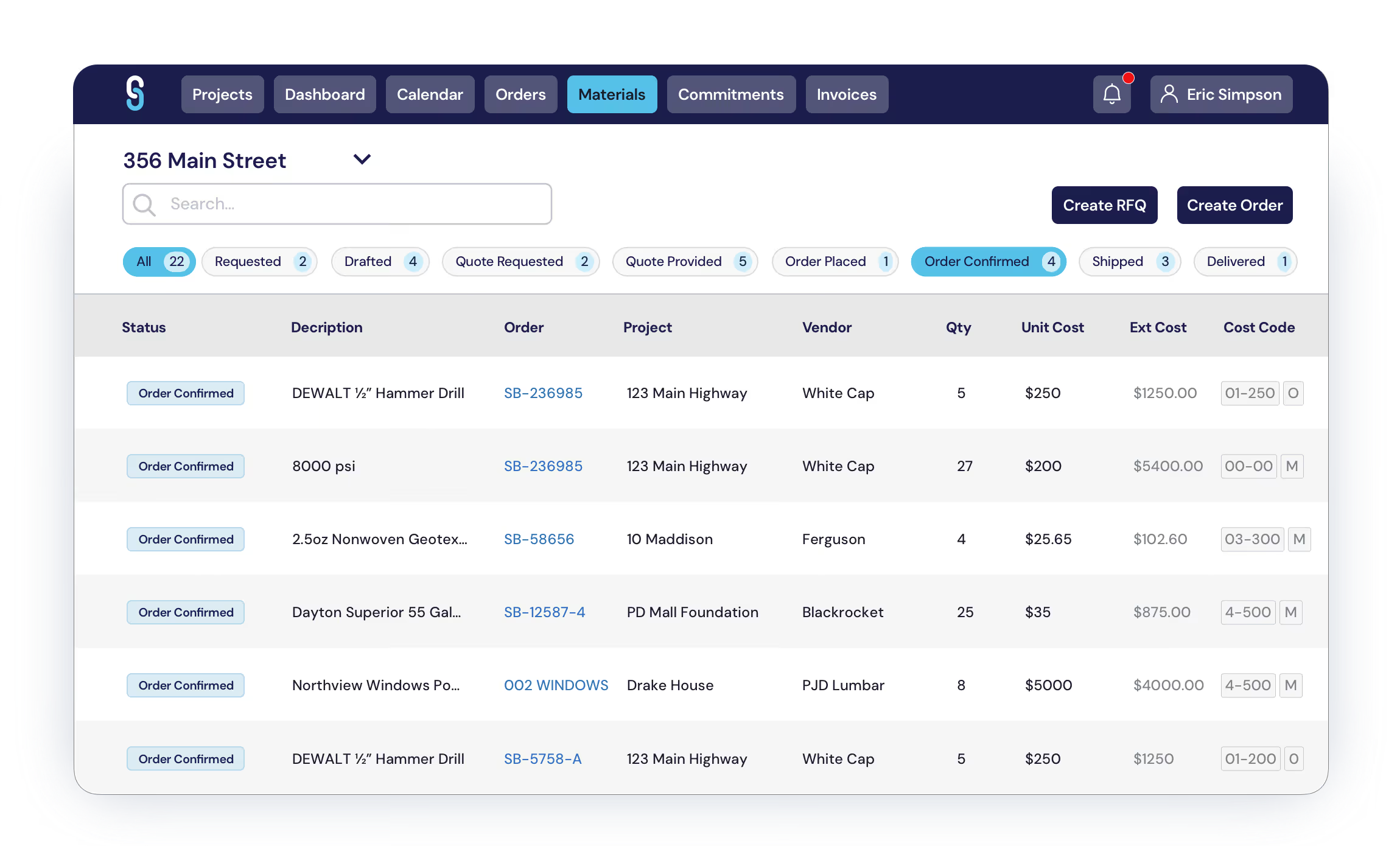
A clean, searchable materials catalog. Not a sprawling list full of inconsistent descriptions and outdated pricing. A working document with plain-language item names, current vendor info, and cost codes already attached. It makes ordering faster and more accurate, and it prevents the naming inconsistencies that cause the same item to be ordered under three different descriptions.
Keeping that catalog inside the material database the whole company orders from means the cleanup happens once instead of on every request.
Managed as a construction material database rather than a static list, it stays accurate as vendors and prices change.
Digital delivery confirmation. Paper delivery tickets in someone's truck are not a record. When field teams confirm deliveries in the platform the moment materials arrive, the office knows what's on site in real time. That's the information that prevents the next duplicate order.
Recent updates to SubBase's receiving module made that confirmation faster on a phone, including flagging a material issue straight from the delivery log.
A practical starting point
You don't have to build the whole system at once. A useful first step is to create a shared list of your top 50 most frequently ordered items: clear names, current pricing, preferred vendors, cost codes. Make it searchable and accessible to anyone who places an order.
That list becomes the foundation. From there you can build out the approval workflow, link it to delivery confirmations, and connect it to your AP process. But even on its own, a clean shared catalog shifts how the team makes material decisions — from memory and habit to a consistent, repeatable reference.
The pressure from above is growing
Clients and project owners are increasingly asking for sourcing details, waste reduction data, and emissions tracking. These aren't future requirements. They're showing up in job specs now, particularly on commercial and institutional projects.
Subcontractors who have a system in place for tracking material flow from order to delivery to reconciliation are in a position to answer those questions. Ones still running procurement through texts and spreadsheets are not.
AI-powered material tracking makes that order-to-reconciliation record a byproduct of the work instead of a separate reporting task.
The margin case for better material management has always been there. The compliance case is catching up to it. Construction material management that tracks each order through delivery and reconciliation answers both cases with the same records.
Both cases point to the same fix: running material orders through construction procurement software instead of texts and spreadsheets.
Better material decisions start with being able to see what's actually happening. SubBase gives the field, the office, and purchasing a single real-time view of every order, delivery, and commitment — so the guesswork that drives waste gets replaced with information.
Book a demo to see how it works: https://www.subbase.io/subbase-demo


Stay in touch
Sign up for our monthly newsletter to receive exclusive company updates, learn about industry trends and find out where we will be next. Don't miss out – subscribe today!

