Enhancing procurement visibility for better decision making
What limited visibility actually looks like
The field team gets a delivery. The materials look right but the paperwork is vague. Is this plumbing supply or electrical? The PO number is the same format as the last six orders. Nobody is sure which project this is coded to. The driver needs a signature. The super signs it.
Three weeks later, accounting is trying to match the invoice. The PO number is duplicated across two projects. The description on the invoice is different from the description on the PO. There's no delivery confirmation in the system. Reconciling it takes an hour of phone calls. Or it gets paid as submitted, and the overcharge goes unnoticed.
This is the cost of visibility gaps. Not a single dramatic failure but a hundred small ones, each requiring manual recovery effort, each carrying some probability of a dollar leaving the business that shouldn't have.
Most construction procurement challenges look like this up close: small gaps between the PO, the delivery, and the invoice that someone has to close by hand.
Most of those gaps sit between the jobsite and the office, which is why collaboration between field teams and office staff matters as much as any single control.
What visibility actually requires
Real procurement visibility means three things happening simultaneously: the right information captured at the point of transaction, that information accessible to everyone who needs it, and the connections between records maintained automatically so nothing has to be reconstructed by hand.
Purpose-built construction procurement software handles those connections automatically, so the PO, delivery, and invoice stay tied together.
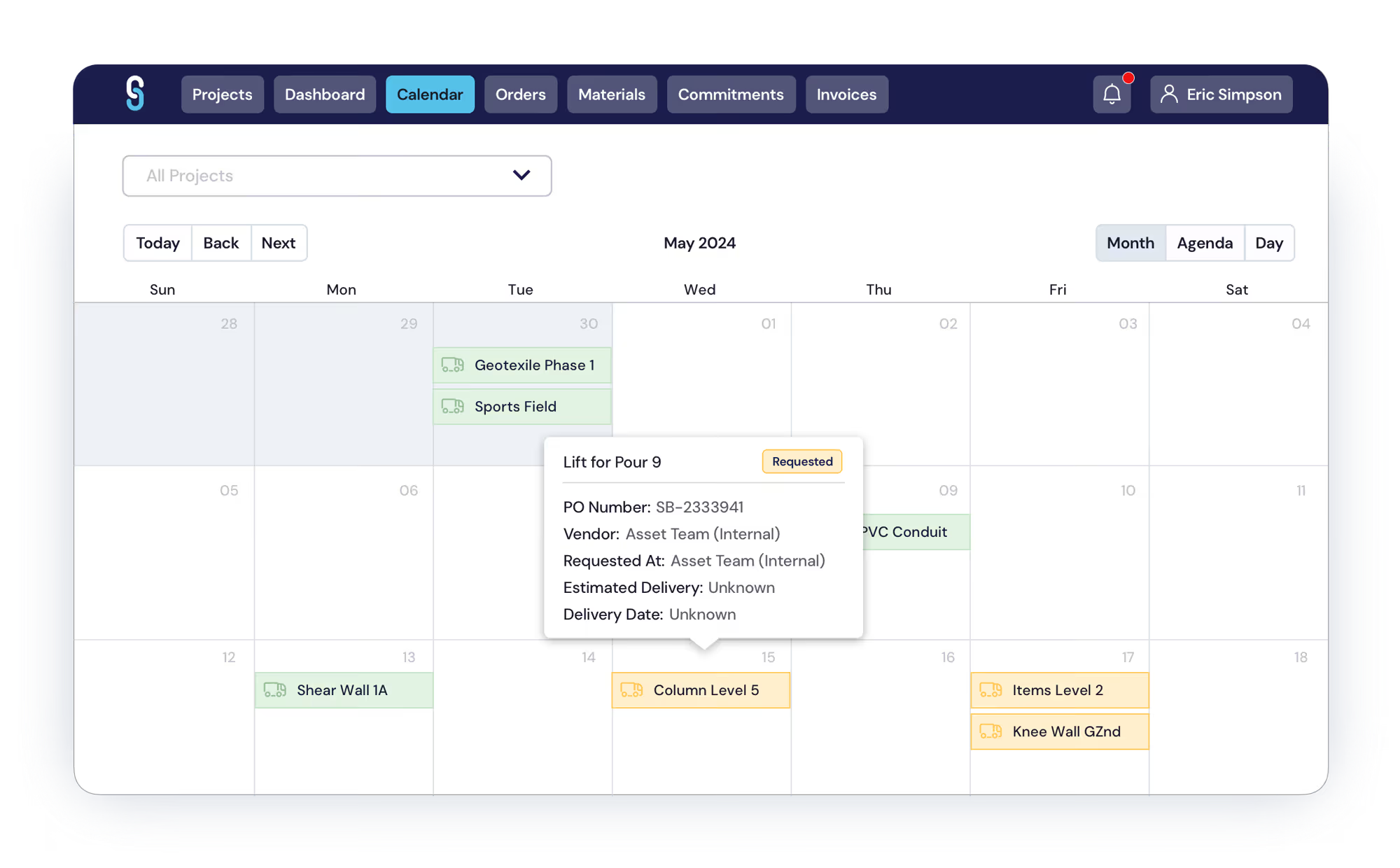
A PO needs a unique identifier. It needs a clear description that a field crew can actually read and act on. It needs to be tied to a specific project and cost code. When a delivery comes in, it needs to be confirmed against the PO, not just signed off in the abstract. When an invoice arrives, it needs to match the PO and the confirmed delivery before it gets approved, not after.
When those connections exist in the system, visibility follows naturally. The field super can see what's been ordered for their job. The purchasing manager can see what's been delivered and what's still open. Accounting can see what's been confirmed and what the approved cost was. Nobody is working off a separate spreadsheet or calling around to piece together the picture.
That's the change JA&M Contractors describes after moving off manual workflows: issues that used to surface weeks after the fact now show up on a live dashboard while there's still time to act.
What changes when visibility improves
JGR Construction was spending significant time at month end trying to close their books because the information they needed wasn't current. Orders had gone out, deliveries had come in, invoices had been received. but the paper trail was lagged, incomplete, and scattered across people's inboxes. Once procurement ran through a single platform, month-end close moved forward three to six weeks. The work didn't change. The visibility did.
The billing error catch is the other side of the same coin. When an invoice arrives and the system already knows what was ordered and what was confirmed delivered, a price discrepancy flags automatically rather than passing through undetected. SubBase's price discrepancy algorithm caught $45,913.70 in overcharges for its first customer. That wasn't a new control they added to their process. It was a direct consequence of procurement visibility. The data existed. The system compared it.
Price discrepancy detection runs on every line item in the same way, so the flags reach a person before the payment goes out.
The decision quality argument
Procurement decisions made with current, accurate data are better than procurement decisions made from memory or from a report that's three weeks old. That's not a complicated argument. But it requires the data to actually be current and accurate, which requires it to be captured in real time, by the people closest to the transaction, through a system they'll actually use in the field.
Getting more value from procurement depends on that same current data, because a new quote can only be judged against the price paid last time.
Owners and GCs increasingly expect that same current data in construction procurement reporting, down to committed spend by cost code and the status of long-lead items.
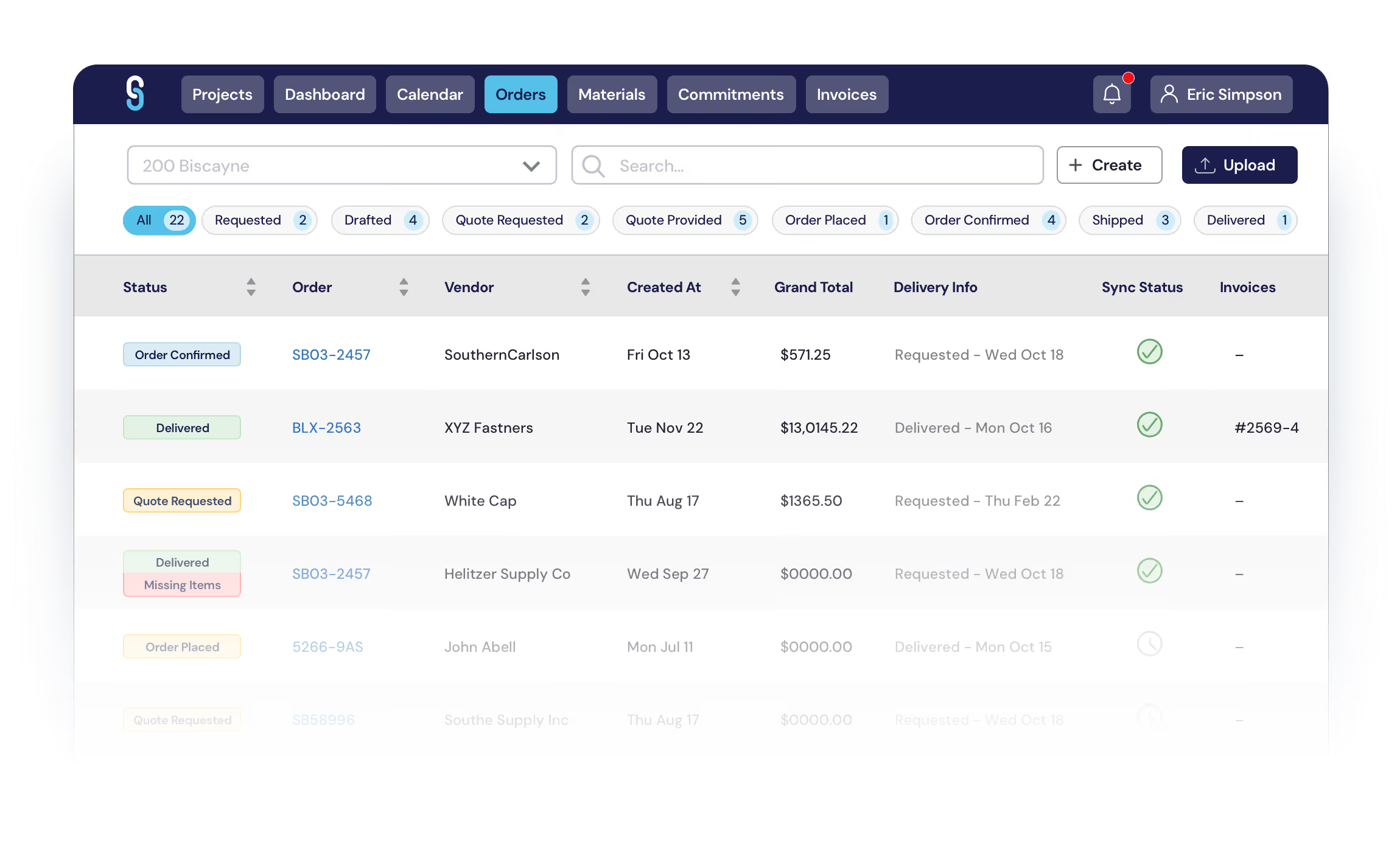
That's the design problem SubBase is built to solve. Not just a database of POs, but a platform where the field confirms deliveries on their phone, the office sees it immediately, and the records that accounting needs to close the books are already there when they need them.
Book a demo to see what procurement visibility looks like in practice: https://www.subbase.io/subbase-demo

Stay in touch
Sign up for our monthly newsletter to receive exclusive company updates, learn about industry trends and find out where we will be next. Don't miss out – subscribe today!

