
Traditional material purchasing methods: what they cost you
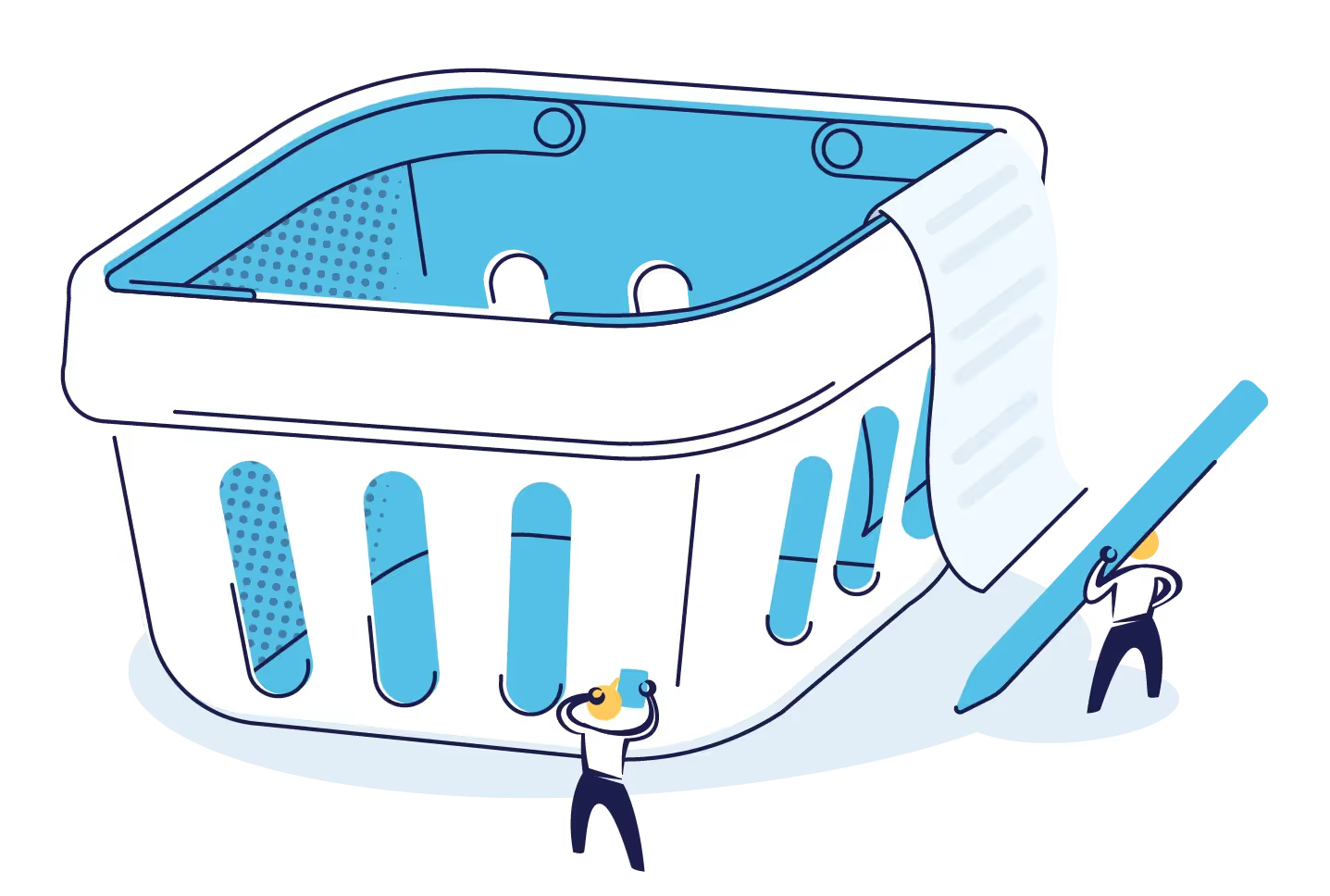
What the manual process actually costs
The visible costs of manual purchasing are easy enough to identify: time spent on the phone chasing order confirmations, hours spent reconciling invoices against POs that don't quite match, purchasing decisions made without historical pricing data because nobody can find what you paid last time.
The less visible cost is the error rate. Data entry mistakes in a manual process don't announce themselves. A wrong unit of measure on a line item, a delivery that gets confirmed verbally but never recorded, an invoice that gets paid because nobody had time to check it properly. One customer's first year on SubBase surfaced $45,913.70 in overcharges that the manual process had been passing through without catching. That's not an anomaly. That's what happens when three-way matching runs on memory and spreadsheets instead of automation.
And then there's the baseline cost of processing each invoice by hand: approximately $21 in labor per invoice. For a subcontractor processing hundreds of invoices a month, that number compounds fast. Most companies have never calculated it because it's spread across multiple people's time and never shows up as a single line item on any report.
What modern purchasing looks like in practice
The shift from traditional to modern procurement isn't about replacing how people work. It's about removing the parts that don't require human judgment and letting the system handle them.
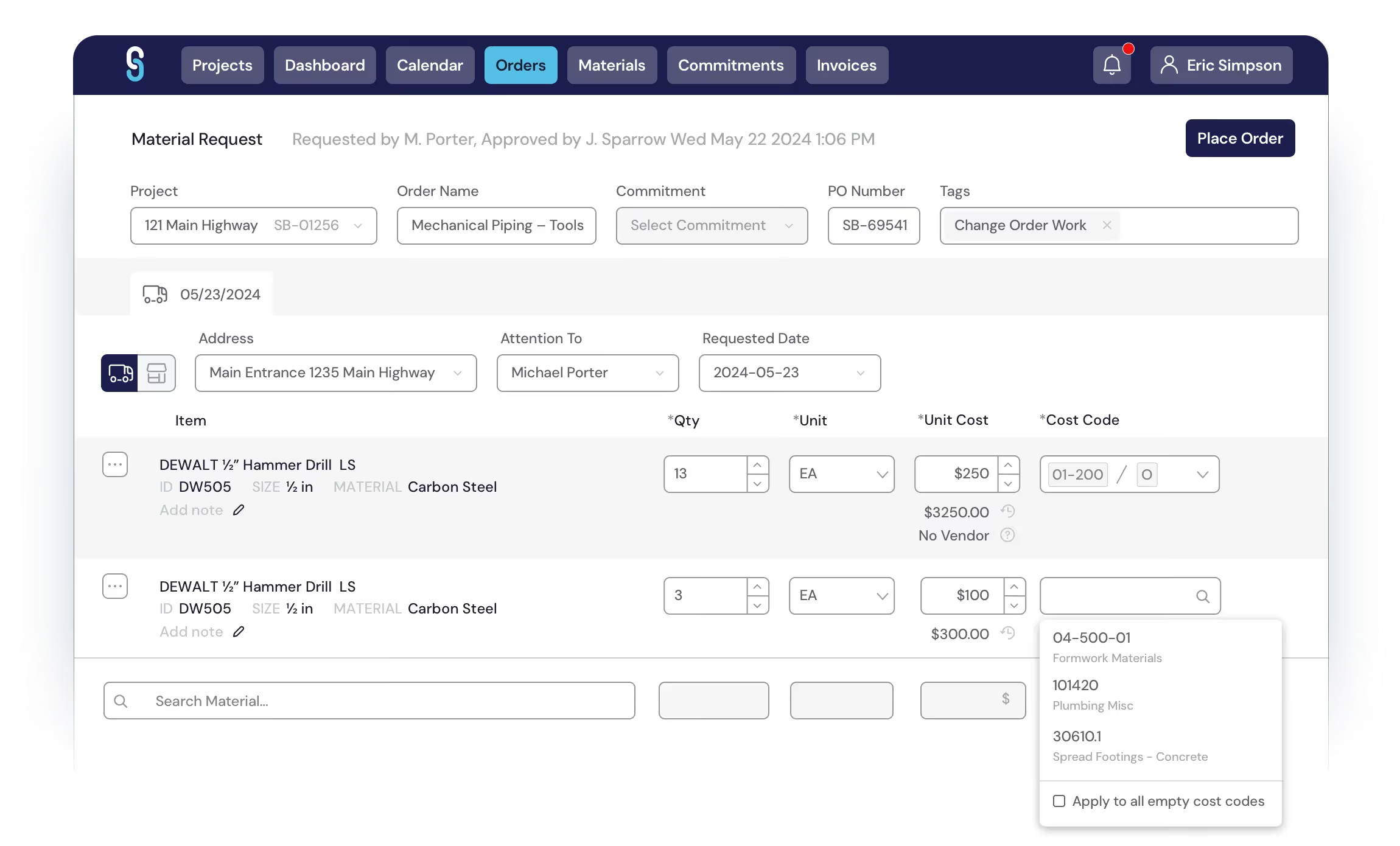
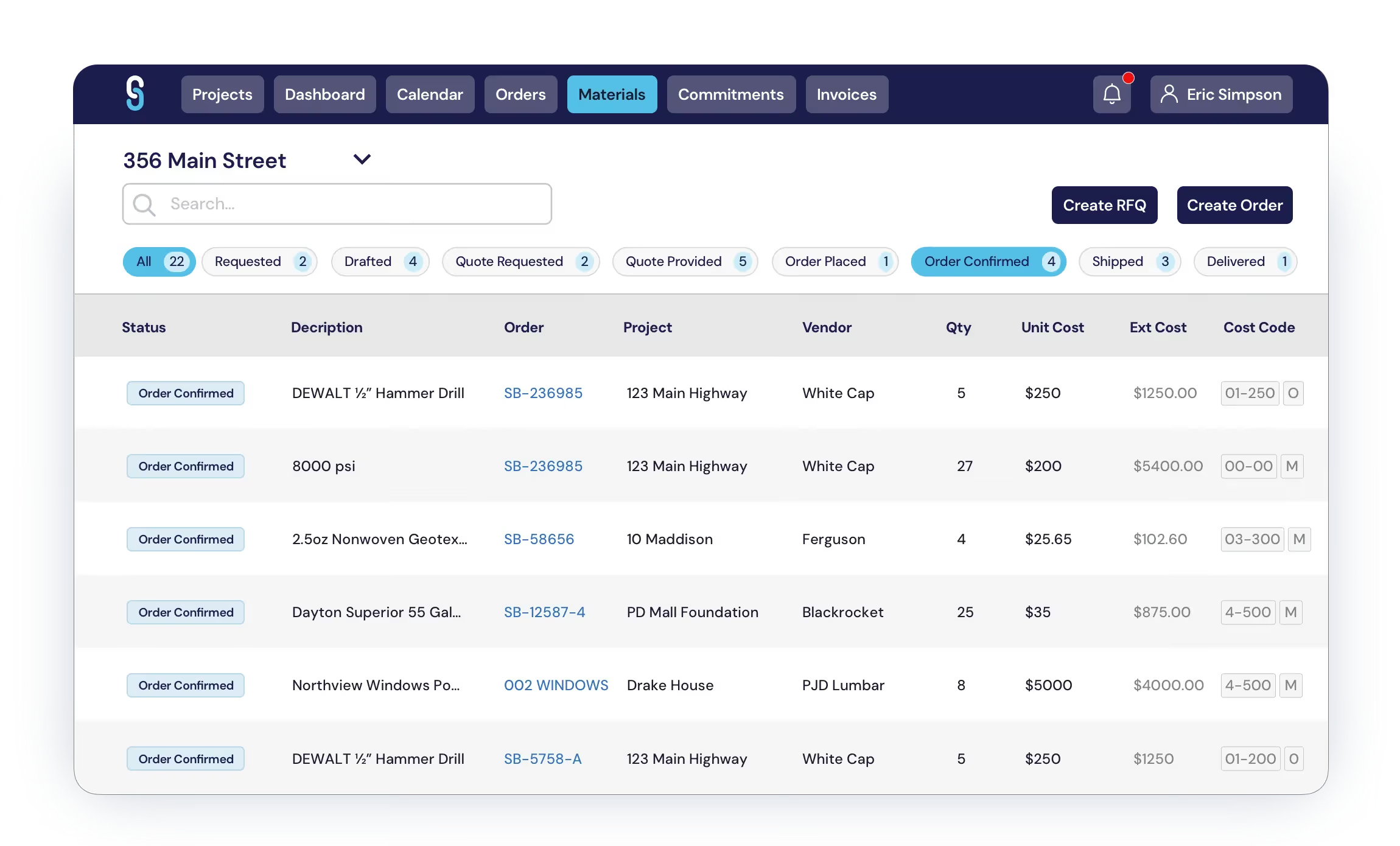
When a field team submits a material request through SubBase, it flows directly into the purchasing workflow. No phone call. No text that gets missed. The request is visible to purchasing immediately, with the right information attached, using the company's own nomenclature from a locked material database. The PO goes out with cost codes already assigned. When the delivery arrives, the field confirms it in the platform. The office sees it in real time.
A South Florida general contractor with a 50-year history made the same switch from handwritten notes and phone calls, and found that purchasing became quick and simple.
When the invoice comes in, SubBase matches it against the PO and the delivery confirmation automatically. If it matches, it routes to approvals. If it doesn't, it gets flagged. The discrepancy is caught at the invoice stage, not discovered during a month-end reconciliation when it's too late to dispute cleanly.
Douglas Orr Plumbing saved $189,000 in a single year on labor hours after moving their purchasing workflow into SubBase, processing 3,000 POs through the platform. That's the scale of what manual purchasing actually costs when you put a number on it.
Why the timing matters
Labor shortages aren't easing. The people who used to manage manual procurement processes are harder to find and more expensive to keep. Building a purchasing operation that depends on high-touch manual work is a liability that grows as the business grows.
The subcontractors pulling ahead aren't necessarily bigger or better resourced. They're more organized. They're taking on more projects with the same headcount because their procurement workflow isn't generating the administrative load that slows everyone else down. They're catching billing errors their competitors are paying. They're closing their months weeks earlier because the reconciliation work is already done.
It also puts them among the trade contractors GCs call back, since an organized operation is easier to run a job alongside.
The manual process has always had a cost. It's just easier to see now, when the alternative exists.
Book a demo to see SubBase in action: https://www.subbase.io/subbase-demo



Stay in touch
Sign up for our monthly newsletter to receive exclusive company updates, learn about industry trends and find out where we will be next. Don't miss out – subscribe today!

