
Tips for maximizing value in your procurement

Know what you’re paying before you agree to pay it
The first step is understanding the market. Material prices vary by supplier, by region, and by timing, and for high-demand items they can shift day to day. Going with the first quote that comes in because the timeline is tight is one of the most common ways procurement value gets left on the table.
The manual version of this, collecting emails, printing quotes, levelling line items side by side, is slow enough that most teams skip it more often than they should. SubBase allows you to send RFQs to multiple vendors and receive quotes back in a standardized format, comparable side by side, without assembling them by hand. The comparison that used to take hours happens in minutes. That speed makes it practical to shop the market even when a project is moving fast.
Before moving its RFQs into SubBase, G&E Florida Contractors, a South Florida concrete builder, collected vendor prices by call, text, and email and tracked them in an Excel sheet.
Historical pricing data in SubBase also means you're not comparing a new quote against nothing. You can see what you paid for the same material last quarter, through which vendor, and whether the current quote is in line. That context is what turns a quote into a decision.
Vendor relationships are part of the strategy
Price isn't the only variable worth managing. Suppliers who know your business, understand your volumes, and trust you to pay on time will work differently with you than ones you call once a year. Faster confirmations. Proactive heads-up on availability issues. More flexibility when something goes sideways on site.
That kind of relationship doesn't happen by accident. It happens because communication is consistent, payments aren't delayed by a slow reconciliation process, and vendors feel like they're dealing with a professional operation.
Vendor management software built for construction makes that consistency easier to keep, because quotes, POs, and delivery notes stay attached to each supplier.
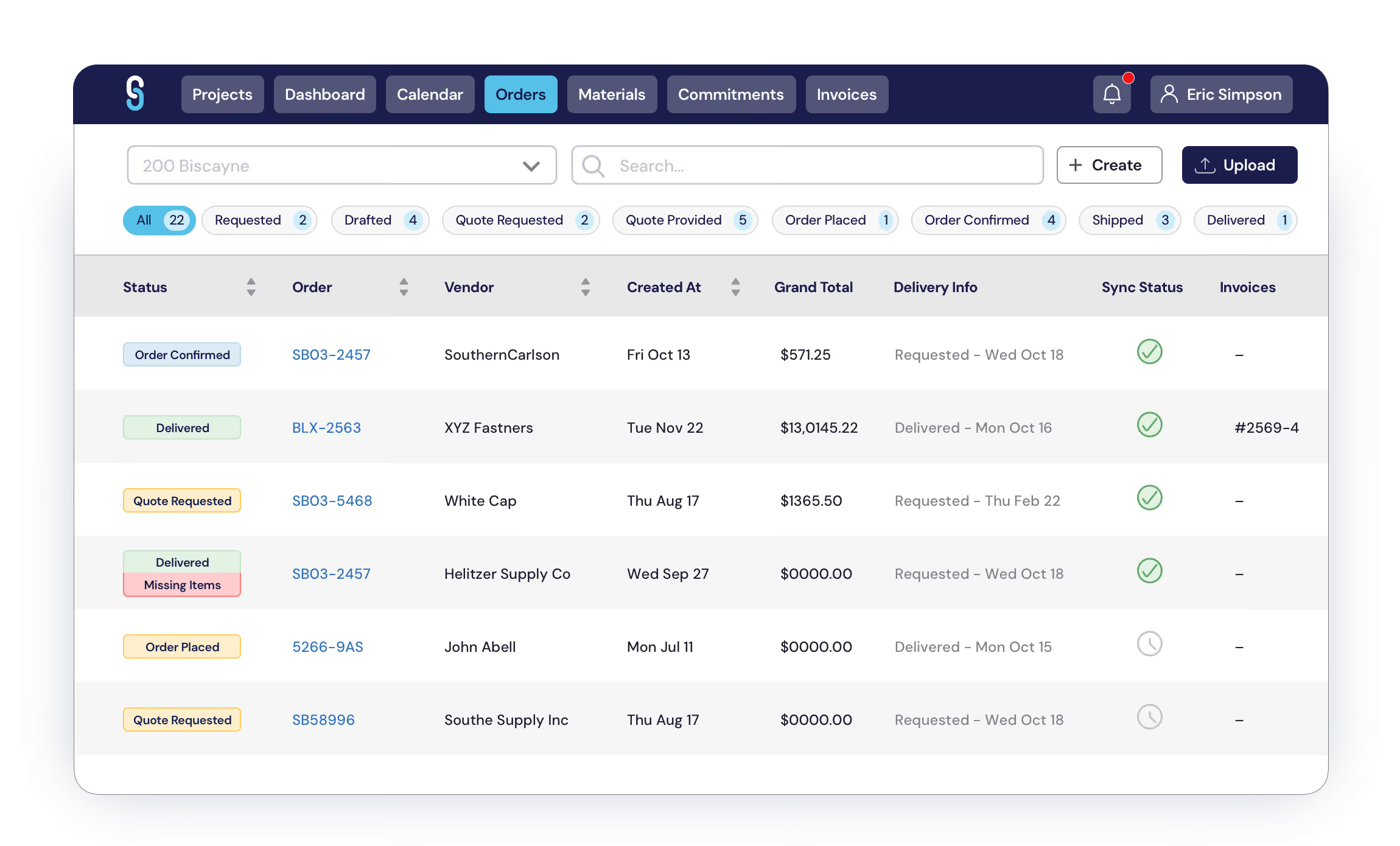
Keeping one shared record for every vendor order, from quote to delivery to invoice, is what makes that consistency possible.
When invoice reconciliation runs automatically through SubBase and vendor payments move faster as a result, that's not just an accounting benefit. It changes how your suppliers see you. KD Construction saved over $1M in material costs in their first year using SubBase. Part of that is the platform. Part of it is what faster, more organized procurement does to your negotiating position with the vendors you work with regularly.
Get in front of it before the job starts
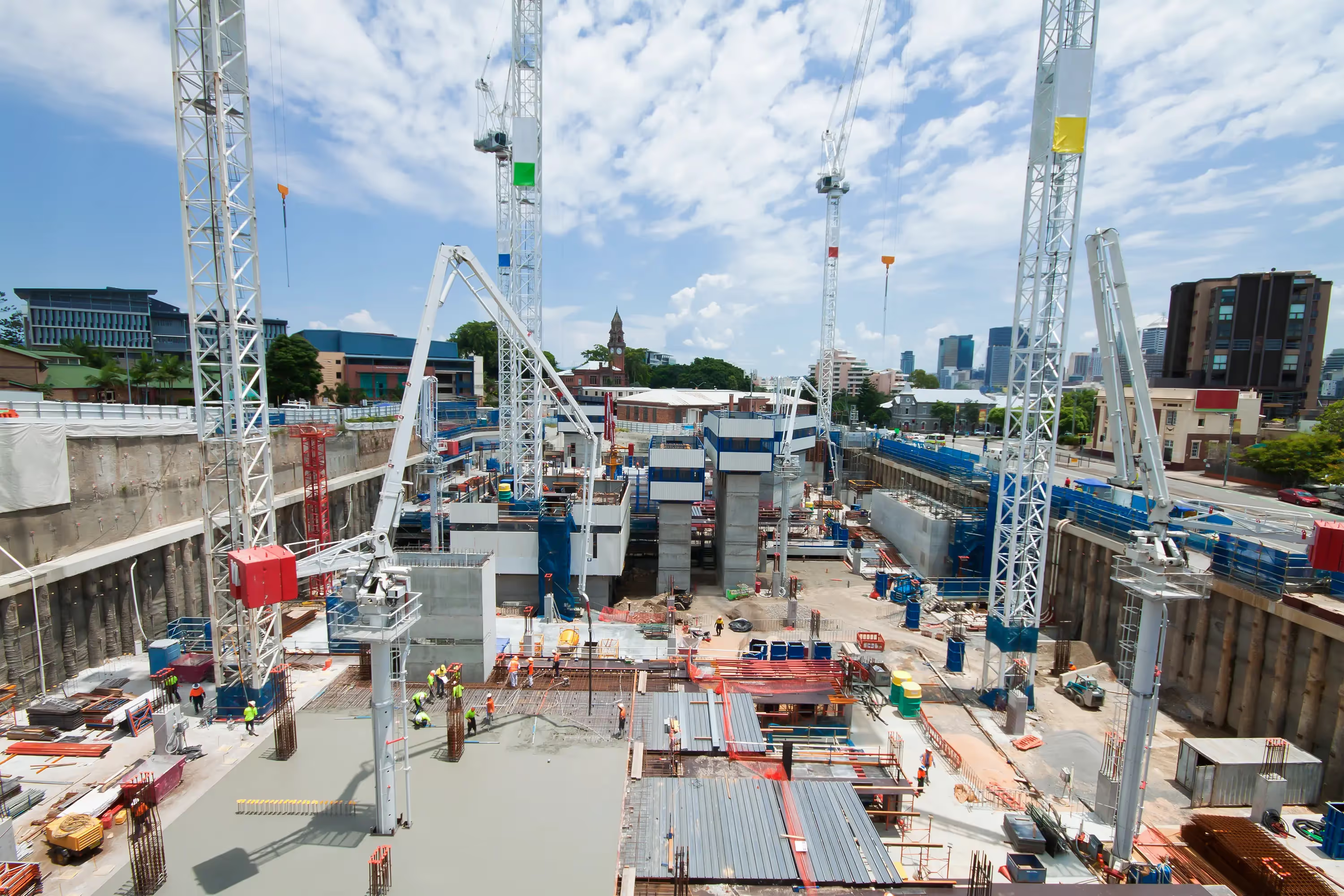
Reactive procurement costs more. When a material need surfaces late, your options narrow, prices go up, and the schedule pays for it. The jobs that run cleanest are the ones where material needs are identified early, suppliers are contacted before the work starts, and pricing is locked down before anyone is under pressure to just get it ordered.
SubBase supports that kind of proactive approach by giving purchasing teams visibility into what's been committed, what's still open, and what's coming up across all active projects. That cross-project view is what makes it possible to spot a potential shortage before it becomes a site stoppage, or to consolidate orders across jobs to improve leverage with a supplier.
Planning ahead isn't a new idea in construction. Having the data to actually do it is what's changed.
That same data also shapes what owners expect from their subcontractors, who are increasingly asked to show where long-lead items stand in real time.
Keep the whole team aligned
Procurement decisions made in the office without field visibility, or material requests placed in the field without purchasing oversight, create the same problem from different directions: someone ends up with wrong materials, duplicate orders, or a budget line that's overcommitted before anyone noticed.
Over-ordering is the most common version, and it usually traces back to the field and the office each assuming the other had the count.
Disconnected requests like these are one of the procurement bottlenecks that quietly add cost across every active project.
SubBase keeps field, office, and vendors working from the same information. Requests from field teams flow into the purchasing workflow directly. Purchasing decisions are visible to the teams on site. Vendor communications are attached to the relevant orders. Everyone sees the same picture, which means fewer surprises and fewer expensive corrections mid-project.
The value in procurement isn't just in the price on the PO. It's in everything that doesn't go wrong between the order and the delivery.
Book a demo to see how SubBase works: https://www.subbase.io/subbase-demo

Stay in touch
Sign up for our monthly newsletter to receive exclusive company updates, learn about industry trends and find out where we will be next. Don't miss out – subscribe today!

