
Tariff uncertainty rewards the ready
The cost of not knowing
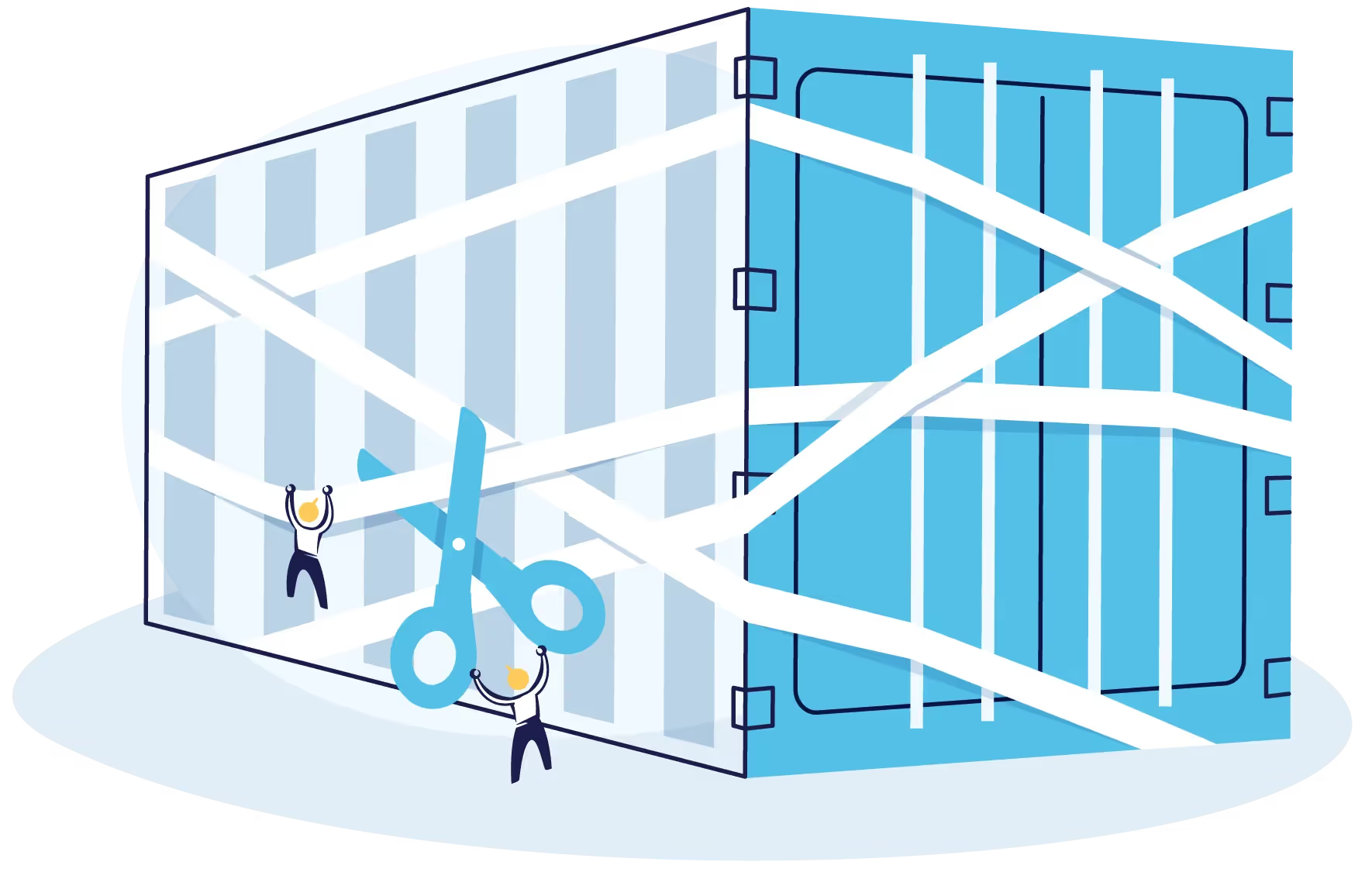
When budgets are locked and contracts leave little room for flexibility, mid-project price swings become the subcontractor's problem to absorb. That's the real bite of tariff uncertainty: the exposure lands on the people who have the least ability to pass it on once a job is underway.
The subcontractors getting ahead of this aren't waiting for the market to stabilize before they act. They're getting more deliberate about the decisions they can control: when to buy, how much to buy, which vendors to trust on both price and availability, and how to structure upcoming bids to account for the range of outcomes.
None of that is possible without current data. Buying decisions made on pricing from six months ago, or on a vendor relationship that hasn't been tested in this market, carry a risk that's hard to see until the invoice arrives.
What proactive procurement looks like right now
The practical moves subcontractors are making in this environment come down to a few things.
Locking in prices early, where suppliers will agree to it. Post-COVID, many suppliers are reluctant to hold pricing for long, which makes the window narrow. But where it's available, locking in before work starts is the cleanest way to protect a budget from mid-project exposure.
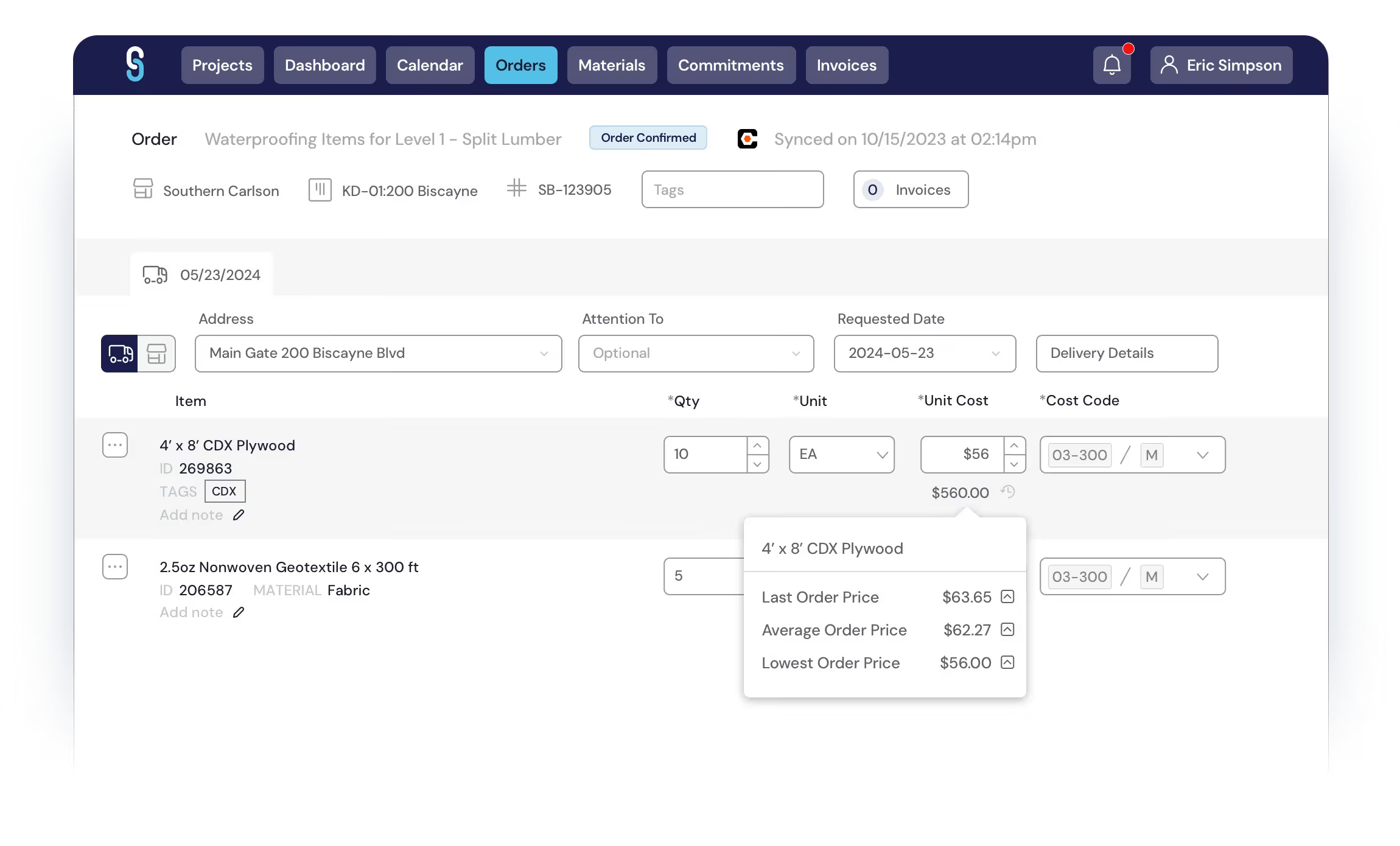
Shopping the market more systematically. When a single quote is all you have, you don't know if it's high. Sending RFQs to multiple vendors and comparing responses at the line-item level takes time manually, but identifies the variance that's actually out there. In a volatile market, that variance is wider than it's been in years.
G&E Contractors' project manager put it plainly after moving RFQs into SubBase: he can now compare prices and approve quotes quickly instead of tracking them in a spreadsheet.
Flagging long-lead and backordered items earlier. Availability is now as much of a risk as price. A material that's four weeks out doesn't just affect the schedule, it can force a last-minute substitution at a higher cost under time pressure.
Aggregating orders across upcoming jobs. Buying in volume across projects gives you leverage with suppliers that individual project orders don't.
Both habits are standard construction procurement best practices, and they matter more when the market is moving this fast.
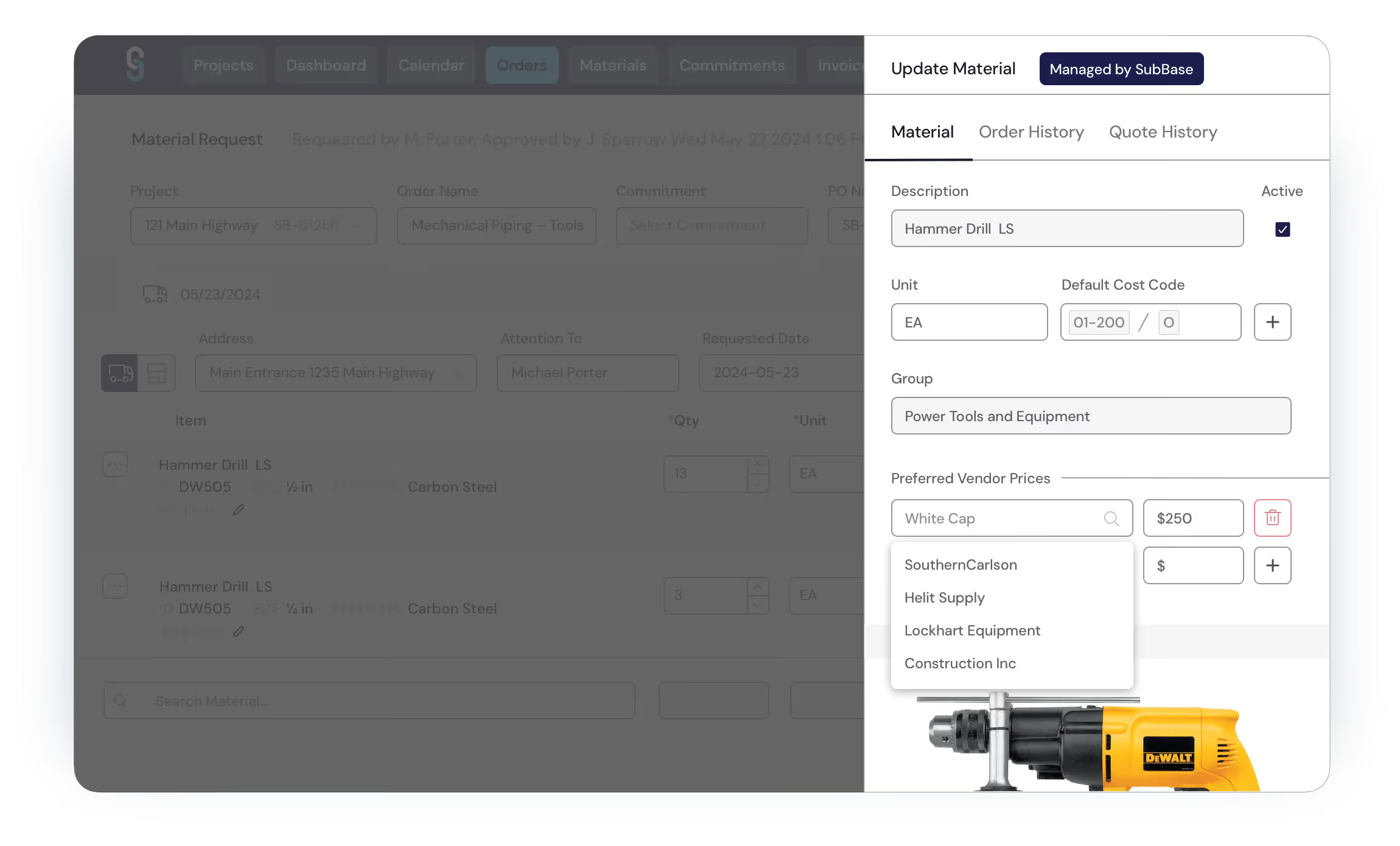
SubBase supports all of these approaches. Sending RFQs, comparing quotes side by side at the line-item level, tracking vendor pricing trends over time, and seeing what's committed across all active projects from a single view. The data that makes proactive decisions possible has to come from somewhere. For most subcontractors still running procurement through email and spreadsheets, it currently doesn't come from anywhere reliable.
That is the pricing visibility concrete contractors are after as they look to take back margin on the materials they buy every week.
The wider point
Tariff uncertainty isn't going away quickly. The subcontractors who come out of this period in better shape won't necessarily be the ones with the deepest pockets. They'll be the ones who built procurement operations that could respond to changing conditions faster than the market moved against them.
That starts with having the right information at the right time. Not a report assembled at month-end. Current data, on current pricing, across current projects, available when the decision needs to be made.
Book a demo to see how SubBase works: https://www.subbase.io/subbase-demo
If you're navigating these challenges and want to explore new ways of working, we’d be happy to talk: schedule a demo or get in touch.
Reference article: Tariffs Are Raising Costs for Steel and Other Construction Materials - Business Insider

Stay in touch
Sign up for our monthly newsletter to receive exclusive company updates, learn about industry trends and find out where we will be next. Don't miss out – subscribe today!

