
Streamlining vendor management to reduce invoice time

The specific problems that slow invoices down
Duplicate vendors are more common than most accounting teams realize. A supplier gets set up once under their legal name and once under the name someone typed into a text field on the fly. Both are active in the system. Invoices come in under one name, POs go out under the other, and the match fails. Someone has to manually intervene to resolve it, every time, until someone takes the time to clean up the vendor list — which tends to happen less often than it should.
Stale approval routing is a similar issue. Invoice workflows are set up once and not always updated when staff turn over. An invoice that should take two days to approve sits for a week because it's routing to someone whose email is no longer active. By the time accounting tracks down where it got stuck, the vendor is following up and the payment relationship has taken a hit.
Better invoice inbox management helps here too, because anyone can see whether an invoice is stuck, in review, or resolved.
Incomplete vendor profiles slow things down at the ordering stage as well. When vendor contact details, payment terms, and preferred communication channels aren't up to date in the system, purchasing has to go looking for that information every time an order needs to go out. That friction accumulates across hundreds of transactions a month.
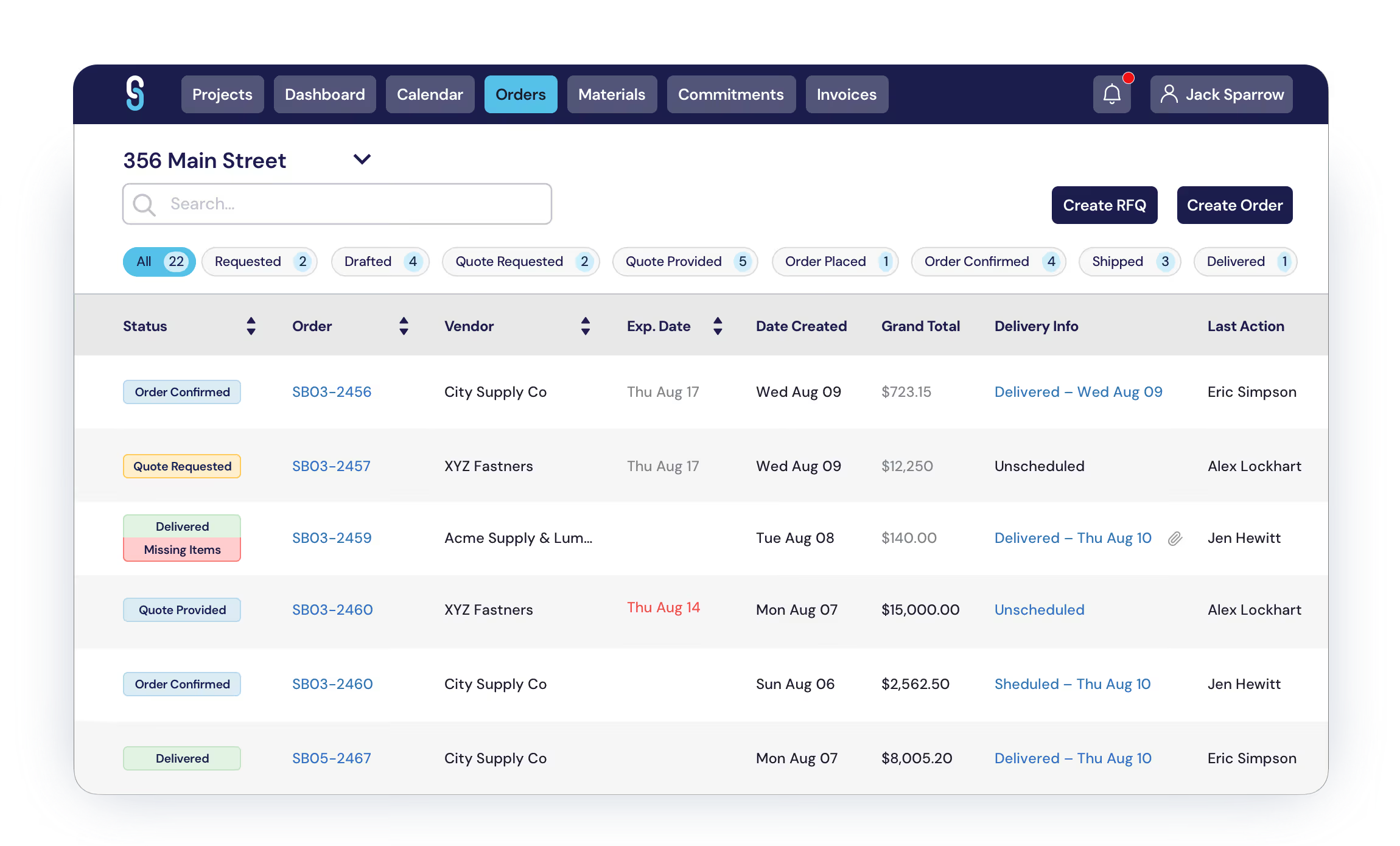
What clean vendor management actually enables
When vendors are set up correctly — one record per supplier, accurate contact and payment information, clear categorization — several things that currently require manual effort stop requiring it.
Invoice matching becomes more reliable because the vendor name on the invoice is consistent with the vendor name on the PO. Approval routing works as designed because the people in the workflow are current. Payment terms are applied correctly because they're in the system at the vendor level, not scattered across old emails. Historical pricing is accessible by vendor, so buyers can see what they've paid before and whether a new quote is in line.
SubBase centralizes all vendor information in one place, tied directly to the purchasing workflow. Every order, quote, delivery, and invoice is connected to the vendor record it came from. That connection is what makes it possible to see, at a glance, what's been ordered from a given supplier, what's been paid, and what's outstanding — without assembling that picture manually from multiple sources.
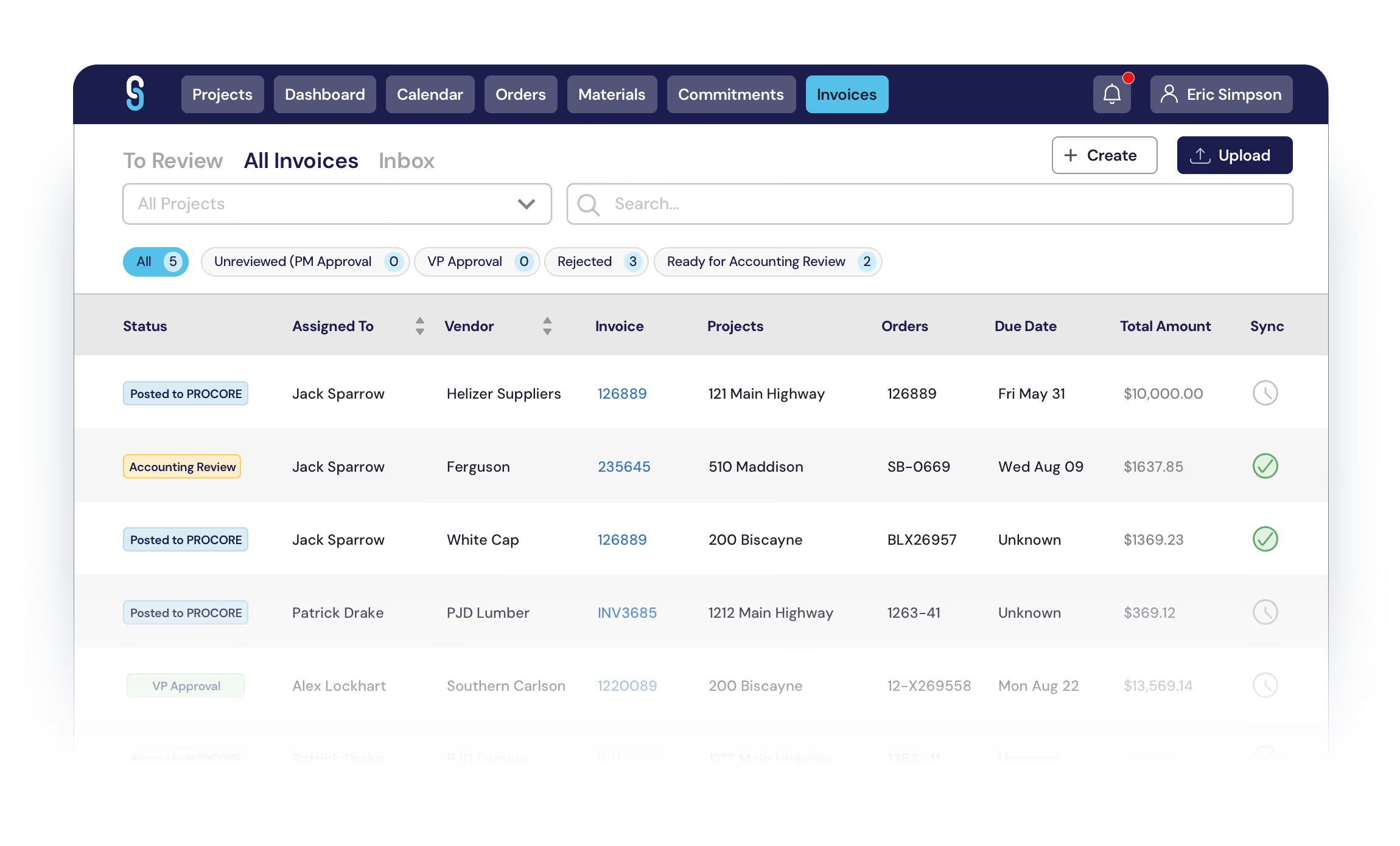
Keeping the vendor list current
A clean vendor list at setup doesn't stay clean without maintenance. The practical steps that matter most are straightforward.
Regular review of active vendors to deactivate suppliers no longer in use. Clear rules about who can add new vendors and how they get set up, so duplicates don't accumulate. Periodic review of approval routing to make sure it reflects current staff. And a standard vendor onboarding process so that every new supplier enters the system with the same set of information from the start.
None of this is complicated. It's the kind of operational hygiene that gets skipped when things are busy — and then becomes a significant source of friction when invoice volume is high and the AP team is trying to close the month.
That same hygiene decides how much AP automation can take off the team's plate, since automated matching and approval routing only run cleanly on vendor records and approvers that are current.
The companies that do it consistently run a faster, cleaner AP process than the ones that don't. The gap shows up in vendor relationships, in cash flow visibility, and in the amount of time accounting spends resolving exceptions that a well-maintained vendor list would have prevented.
Clean vendor data is also what lets accounts payable automation do its job, because automatic matching only works when the vendor on the invoice lines up with the vendor on the PO.
Book a demo to see how SubBase handles vendor management: https://www.subbase.io/subbase-demo



Stay in touch
Sign up for our monthly newsletter to receive exclusive company updates, learn about industry trends and find out where we will be next. Don't miss out – subscribe today!

