
Invoice reconciliation: How do you keep up?

How do you keep up?
The only way to get on top of invoice reconciliation is to reduce the number of steps and limit how many times each invoice gets touched.
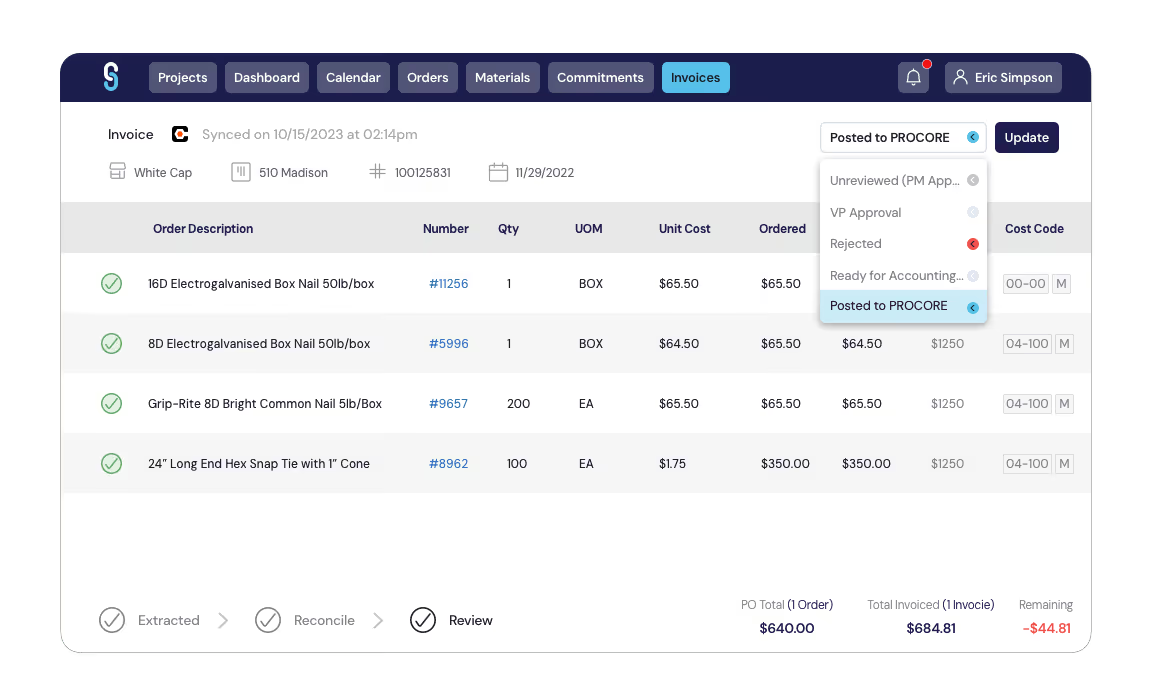
SubBase compresses the entire process into three: automatically capturing and matching the invoice against the purchase order, routing it through a custom approval workflow, and syncing it into your accounting system. That's it. What used to take 6 to 8 weeks of back-and-forth can now happen in real time.
The matching is automatic. When an invoice comes in, SubBase reconciles it against the corresponding PO and delivery confirmation without anyone doing it by hand. If there's a discrepancy, it gets flagged. If everything lines up, it moves straight to approvals. No manual data entry. No hunting for the original PO. No waiting for someone to find a delivery ticket from three weeks ago.

What happens to the time you get back
When reconciliation is automated, accounting teams aren't spending their days on data entry. That time goes back into actual job management: monitoring committed spend, tracking budget against actuals, flagging problems before they become overruns.
SubBase gives you real-time visibility into what's been ordered, what's been delivered, and what's been invoiced, down to the line item and cost code. For larger commitments, you can see drawdowns in real time as orders are processed. You can run reports by vendor, PO, line item, or project. What used to require a custom spreadsheet and hours of manual work is available on demand.
Daily, weekly, and monthly reporting. Vendor payment tracking. Line item forecasting. None of it requires chasing data. It's already in the system because the process put it there at the point of purchase.
Vendor relationships
Vendors are usually the last to get paid. That's not always intentional. It's a downstream consequence of a slow reconciliation process. When invoices are sitting in someone's inbox waiting on a manual match and an approval chain, payments are delayed. Vendors follow up. Subcontractors scramble. The relationship takes the hit.
Invoice inbox management helps here, since every invoice carries a clear status and any reported issue has a visible history until it's resolved.
When reconciliation moves faster, payments move faster. Vendors know in real time if there's a problem with an invoice so they can fix it without holding up a payment application. That reliability matters. The procurement business is relationship-driven, and vendors remember who pays on time.
Field visibility
For field teams, invoice reconciliation usually feels like something that happens far away from them, in accounting, weeks after the material showed up. But the downstream effects land on site. Delayed payments hold up reorders. Unresolved discrepancies create uncertainty about what's actually been confirmed.
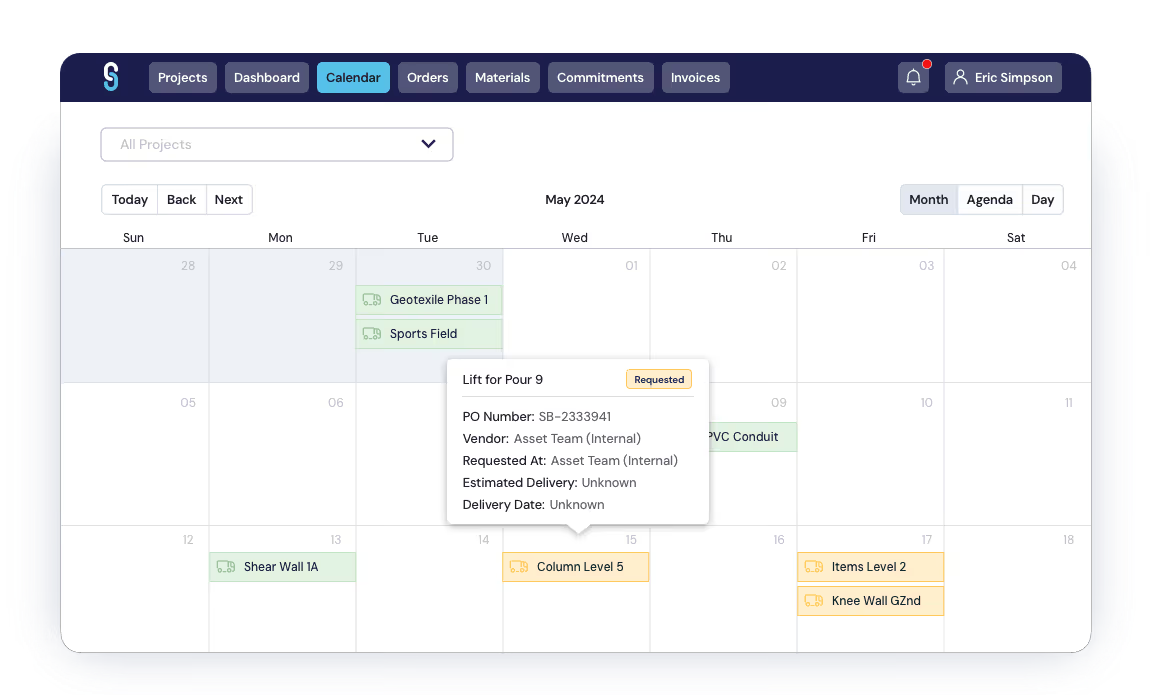
SubBase connects both sides. Field teams can see when an order has been placed, when the vendor has confirmed it, and when it's been delivered, all in one place. Instead of calling the office to find out where their material stands, the answer is already there. That real-time tracking keeps projects moving and removes a layer of frustration that field teams deal with every day.
Invoice reconciliation in construction is hard because the manual process was never designed to scale. Too many documents, too many steps, too many people touching the same piece of paper before it reaches the accounting system. SubBase cuts through that. Less manual entry, faster approvals, cleaner data, and vendors who actually get paid on time.
Book a demo to see how it works: https://www.subbase.io/subbase-demo


Stay in touch
Sign up for our monthly newsletter to receive exclusive company updates, learn about industry trends and find out where we will be next. Don't miss out – subscribe today!

